

![Sophomore Lily Bell posing as a player in the senior assassin game. Seniors participating in the game eliminate others by squirting them with a water gun, and can wear goggles for immunity against others. “People did have to go out and buy [water] guns, but most people have the googles at home, but you don’t even have to use a gun, you can use water of any sort,” senior Gwyn Christensen said.](https://ahstalonnews.com/wp-content/uploads/2026/05/unnamed-1-1-900x1200.jpg)
![The shadows against a captivating blue are a nod to the “Catch Me If You Can” musical poster, both for this performance and the blue from the Broadway show. The detectives in this scene are at shooting practice, in preparation for when they finally encounter Frank Abagnale Jr. “We always say our motto is ‘theater is a team sport,’ and really just emphasizing to our students that everyone is welcome in the drama department. There's always a role for you, whether or not, on stage or behind the scenes, in the costume shop, in the scene shop. [There are] all sorts of different things that go into bringing a show to life. So we love our drama hawks and welcome everyone to drama,” Drama Director Mollie Jo Blahunka said.](https://ahstalonnews.com/wp-content/uploads/2026/04/cmiyc-1200x800.jpg)
![Henry, Emily (2021). People we meet on vacation [Book cover]. Berkley Books. Image used under fair use for purposes of commentary and review. Haley, Brett (2026). People we meet on vacation [Movie poster]. Movie poster courtesy of 3000 Pictures and Temple Hill Entertainment. Made by Adilyn Hoop using Canva.](https://ahstalonnews.com/wp-content/uploads/2026/01/vacay1.png)



![Lockhart, E. (2025). We fell apart [Book cover]. Delacorte Press. Image used under fair use for purposes of commentary and review. The newest book in the “We were liars” collection was released Nov. 4.](https://ahstalonnews.com/wp-content/uploads/2025/11/wefell1.png)




![A Group of PEOPEL PE students and helpers set up an obstacle course during class. The “Amazing Race” unit had started in PEOPEL PE where the students and helpers got to compete in a variety of different activities and games. “We try our best to make [inclusion] a school-wide event, but it's just so much more different when you actually engage with the students hands-on and actually get to know them as people.” Sophomore Bree Christensen said. Photo Taken by Ada McNulty.](https://ahstalonnews.com/wp-content/uploads/2026/05/unnamed-12-1200x900.jpg)



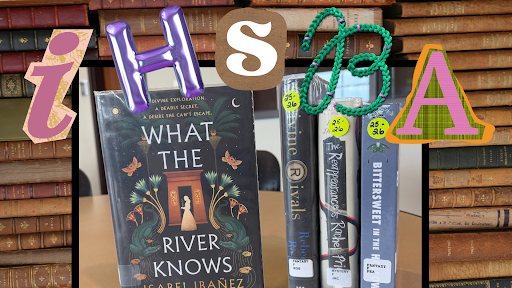
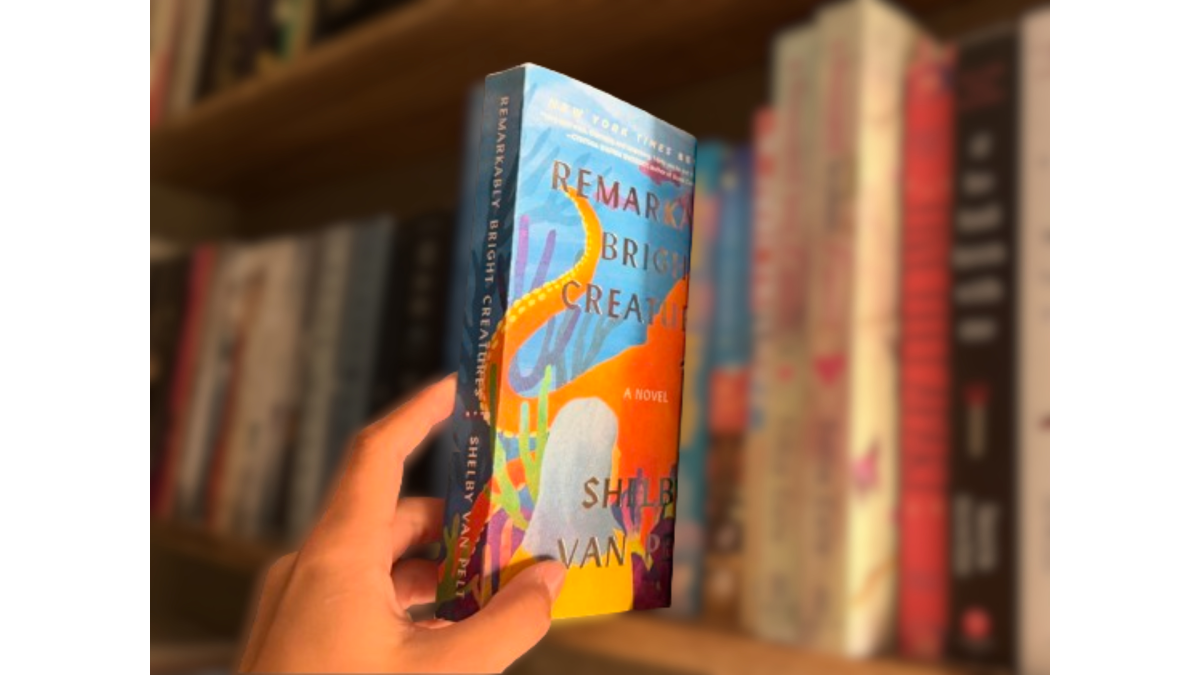
“Green Eggs and Ham,” “Charlie and the Chocolate Factory,” “The Giving Tree,” “A Wrinkle in Time,” and “The Giver” are a few of the books most children read at some point during their childhood; however, they have one thing in common: they’re all on a banned book list.
Book bans have increased in recent years as concerns over age appropriateness, sexual content, and cultural sensitivity continue to shape decisions in schools and libraries. The trend has raised questions about how censorship may affect access to diverse perspectives.
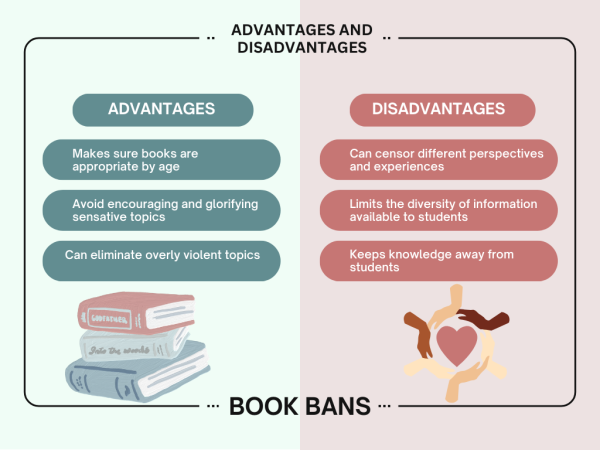
Disadvantages of book bans
Banned book lists make it public knowledge which books are restricted, and putting a book on a banned book list can have a huge impact on how the book is received. Book banning could have a positive or negative effect.
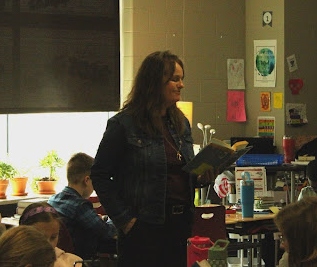
“The titles that are targeted sometimes include our at-risk groups like our LGBTQ community or
books about race, or books about minority groups,” Jenny Wirtz, teacher librarian at Ankeny High School (AHS), said.
Banning books in schools can negatively impact students’ ability to choose books that have a variety of viewpoints and topics. Having diverse outlooks on issues is a critical part of not just school, but life, reportedly.
“When we ban books, we narrow the worldview of our students, of our readers, and that’s dangerous. I think we need all opinions included, so students can make up their own minds on where they lie on issues,” Wirtz said.
Having a variety of perspectives when reading is important so students can not only connect with characters, but also learn about other diverse experiences.
Advantages of banning books
Although book bans put a hindrance on the different perspectives available to students, seemingly, books get banned for a reason. The real reason a book is banned may never be known, leaving it up to the reader to guess. But there are conflicting opinions on where the line should be drawn.
“We probably do have to keep an eye out to make sure they’re not glorifying bad things. “13 Reasons Why” was very controversial for a while because people felt like it glorified suicide,” AHS English teacher Luke Schut said.
Controversial and heavy topics are always going to be difficult to talk about, so the age of the reader should also be taken into consideration when banning books.
“We can, by age level, restrict books. Like, probably not giving a kindergartner a book about murder,” AHS sophomore Lily Essary said.
Reportedly, children are more susceptible to biased information and can be easily influenced by the media they consume, including books.
“Some things younger kids shouldn’t have access to because they’re not mature enough to read them. But at the same time, when it comes to kids wanting to explore different topics, they should have the right, but they’re also easily influenced,” AHS junior Catherine Nelson said.
Regardless of the reasons for banning books, students are still curious about those books and the topics they discuss.
Effect of book bans on students
Book bans can seemingly encourage students to read the banned books. Reportedly, some students even look up banned book lists just to see if there are any topics they’re interested in learning about.
“If you ban that book, it’s going to make more people want to read it. I feel like getting a book banned is kind of an honor,” Nelson said.
Book bans can bring attention to books that a student might not have picked up on their own, motivating them to read them, but they can also restrict the variety available to students.
“Book bans keep knowledge away from people and keep experiences away. There might be something that you would really connect with, but you can’t,” Essary said.
You may heard the phrase “Don’t judge a book by its cover,” but what about don’t judge a book by a segment? This is what some think leads to books being banned.
“It’s detrimental to not just our students, but our whole society in general,” Writz adds. “Sometimes when people ban books, they only look at one excerpt or one part of a book, instead of judging a book by its whole.”
Finding a way
As books are banned, opportunities to learn are seemingly taken away. But determined students will find a way to read what suits their interests, it seems
“Banning books only bans them in schools, not public libraries,” Nelson shares. “It says, you’re not going to get it from your school’s library. If you’re actually interested, nothing is stopping you from going to your public library and getting that book.”
Evidently, when students read books, they are eager to discuss the topics from their reading. Talking about books is only further motivated by banned book lists.
“Students want to know what’s in there that’s objectionable. When students do read a book, they’re like, Why was this banned? Sometimes it’s hard for them to believe that somebody thought that something in there was objectionable,” Wirtz shares.
Even though the number of banned books is increasing, there are still different avenues students can use to read the books of their choosing. This could be researching on the internet or browsing through public libraries.
“Banning books is a slippery slope,” Wirtz said. “Once you start banning one, you find the next thing that’s objectionable. There’s something in every single book that someone could object to.”
Elaine Westbee • Jan 9, 2026 at 8:04 am
Jenny you are the best!!